Caregiver support
Transthyretin amyloid cardiomyopathy (ATTR-CM) can affect different aspects of a person’s everyday life, which means that providing care may take time, energy, and additional responsibility. However, it is important to prioritise caring for yourself too, and there are some ways to make this feel possible.

If you are caring for someone with ATTR-CM, you may be a spouse, parent, child, sibling, or close friend. Regardless of your relationship, supporting someone through their journey with ATTR-CM often means taking on new responsibilities. For example, you may find yourself needing to help with more household chores, driving them to regular medical appointments, and spending less time on your own hobbies or social activities.
“It’s not just people living with ATTR-CM that are looking for information, but it’s also their wives, partners, daughters, sons—they’re trying to understand how to help.”
Moderator of online support group
You may also play a key role in providing emotional support, offering them a space to open up about their feelings, and encouraging them to stay active and maintain a positive mindset. It is natural to feel overwhelmed as you balance their needs with your own. It is not easy to watch someone close to you adapt to life with ATTR-CM, but you do not need to do everything on your own. Building a support network, knowing when to ask for help, and looking after yourself are important for anyone looking after someone with an illness or condition that requires care.
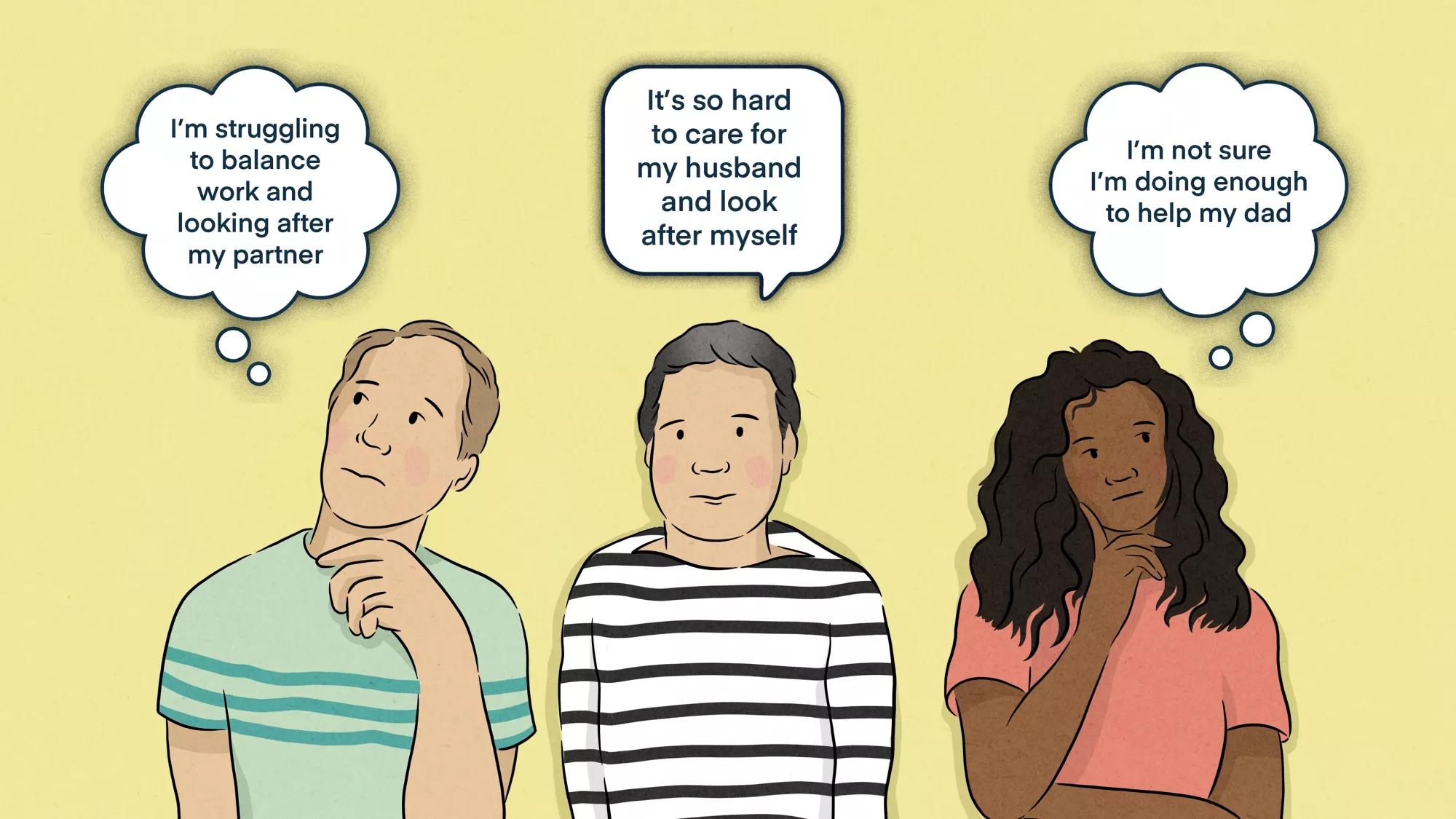
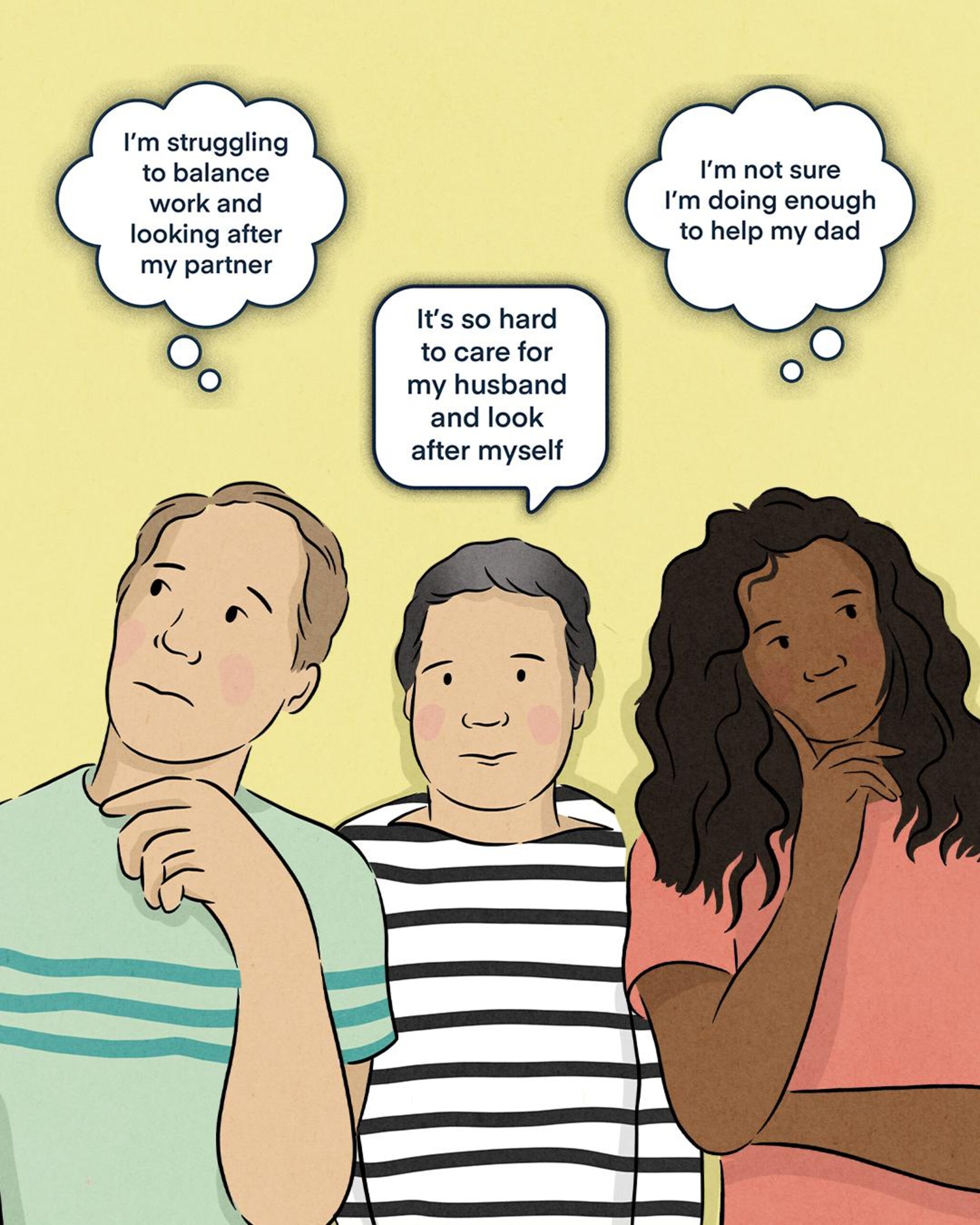
It is normal to have worries and questions about the person you are caring for and to feel concerned about your own wellbeing too.
Your role as a caregiver
It is normal to feel responsible for the health of the person you care for, but it is important to remember that while you can provide support, you cannot solve all their needs or answer all their questions. Simply being present, listening, and encouraging them through difficult times can make a huge difference. Your care helps them feel less alone and more able to cope with their condition.
“After discovering that my father was affected, I wanted to connect with people facing ATTR-CM. Just being able to talk to others who are going through the same thing is incredibly helpful.”
Caregiver of person living with amyloidosis
Guidance for caregivers
The following advice may help you support someone living with ATTR-CM:
ATTR-CM symptom tracker
“Some see sharing as a source of strength, others prefer to remain anonymous as a form of protection. I create posts and share videos, but mostly I tell my own story. Writing about it gives me strength, and many people tell me, ‘You’ve written exactly what I feel.’ So, this act of sharing helps everyone - it gives us strength.”
Moderator of online support group