
Treating ATTR-CM
Receiving a diagnosis of transthyretin amyloid cardiomyopathy (ATTR-CM) can be difficult to process, and it is natural to have questions about the potential treatments that are right for you. Your doctor will work with you to determine the most suitable treatment plan for your needs.
Once you are diagnosed with ATTR-CM, your doctor will help you choose a treatment plan that is right for you, considering your symptoms, your specific type, and your overall health.
The earlier ATTR-CM is treated, the more doctors can do to protect your heart, reduce symptoms, and support your quality of life.
Professor Marianna Fontana is a Professor of Cardiology and Honorary Consultant Cardiologist at the National Amyloidosis Centre, London, UK.
Managing symptoms
Some treatments for ATTR-CM focus on managing the different symptoms. Your treatment will match your needs, whether that is to control the effects of heart failure (such as swelling and shortness of breath), manage high blood pressure, regulate an abnormal heartbeat, or address another symptom. As ATTR-CM looks different for each person, your treatment may not be the same as someone else’s.
Treating the condition
Over the past few years, new treatments have been developed to help manage the condition from getting worse over time. The current available treatments work by either preventing the protein from breaking apart or reducing the amount of protein the body produces. In turn, this slows or reduces the build-up of amyloid, helping to protect the heart.
There are two types of treatments:
- TTR stabilisers: These are oral (tablet) medicines that keep transthyretin (TTR) protein in its normal shape (made of four parts). By doing so, they stop the protein from breaking apart into pieces. This means fewer amyloid deposits build up in the body, while TTR can continue to do its important job of carrying substances like vitamin A through the blood
- TTR silencers: These are injectable medicines that reduce the body’s production of TTR protein. With less TTR being made, less amyloid forms and builds up in organs like the heart or nerves
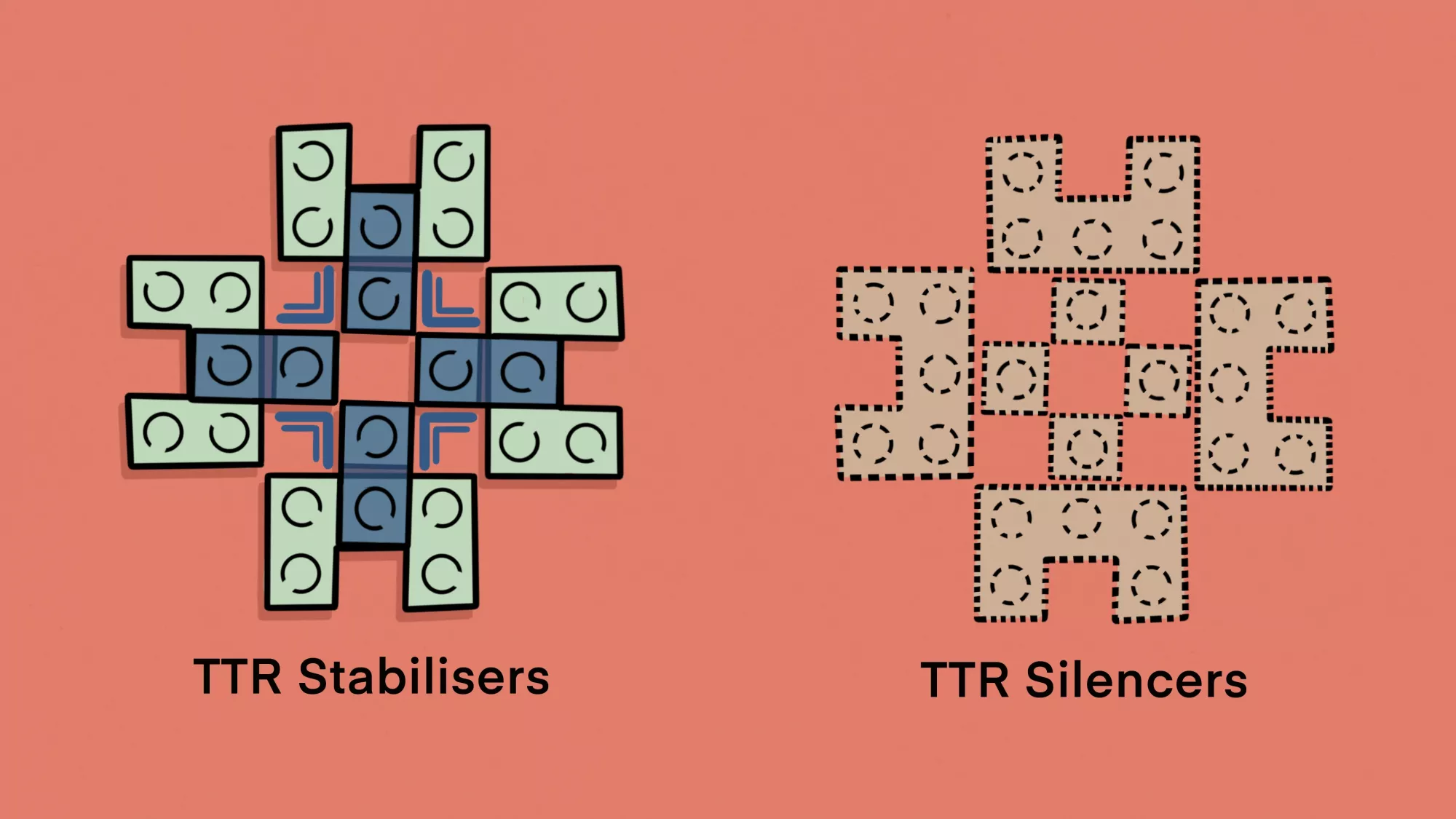
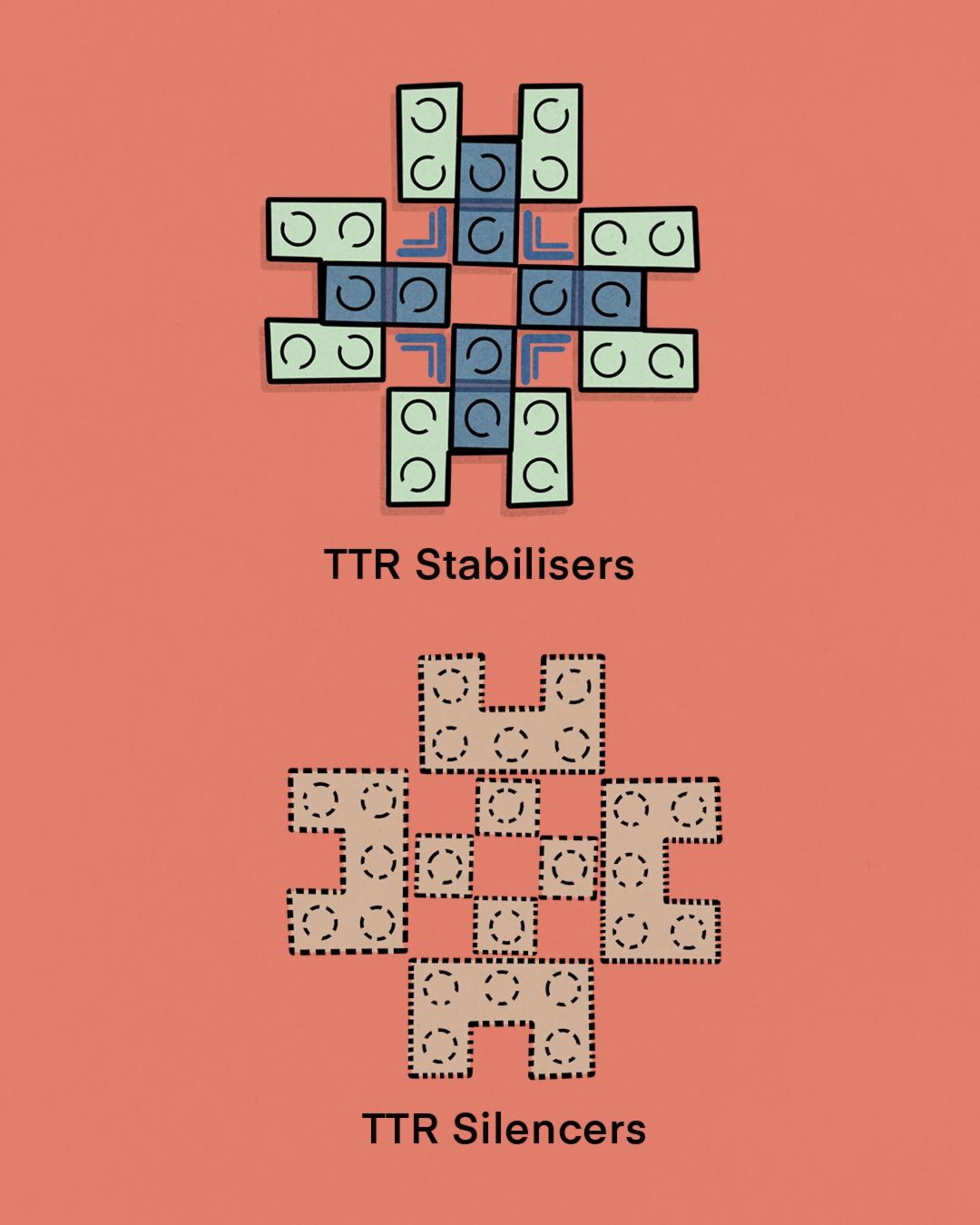
There are two types of treatment that help slow down the condition over time, either by stopping the TTR protein from breaking apart into pieces (stabilisers) or reducing the production of TTR protein (silencers).
For some people, a heart transplant to remove the damaged heart and replace it with a healthy donor heart may be considered. For people with variant-type ATTR-CM (the type that runs in families), a liver transplant may also be an option, since the liver makes most of the TTR protein causing the condition. However, transplants are only considered if no other treatments are effective, because donor organs are limited and surgery is not always safe for every person.
“Many people want to know about their treatment options and ask questions on whether they should have it, what the potential side effects are, whether they can still travel etc.”
Moderator of online support group
Medical devices
Your doctor may suggest a medical device as part of your treatment and care plan. These are small electronic devices that are placed inside the body to help the heart work effectively. Common medical devices include:
- Pacemakers: These send electrical signals to keep the heart beating at a steady rhythm
- Implantable cardioverter-defibrillators (ICDs): These detect dangerous heart rhythms and deliver a life-saving shock if needed
Monitoring progress
To check how well your treatment is working and how your heart is functioning, your doctor will schedule regular health check-ups. These tests will often include an echocardiogram or a magnetic resonance imaging (MRI) scan of your heart. By keeping an eye on your condition, your care team of doctors can adjust your treatment plan if needed.