Signs and symptoms of ATTR amyloidosis
Depending on where the amyloid deposits build up in the body, they will lead to different symptoms and conditions. It can take time and multiple appointments to reach a diagnosis, which can be challenging and emotionally exhausting. However, it is vital to making decisions about your care.

If you have been diagnosed with transthyretin amyloidosis (ATTR amyloidosis), your doctor will investigate whether you have ATTR with cardiomyopathy (ATTR-CM) or ATTR with polyneuropathy (ATTR-PN). See diagram below.
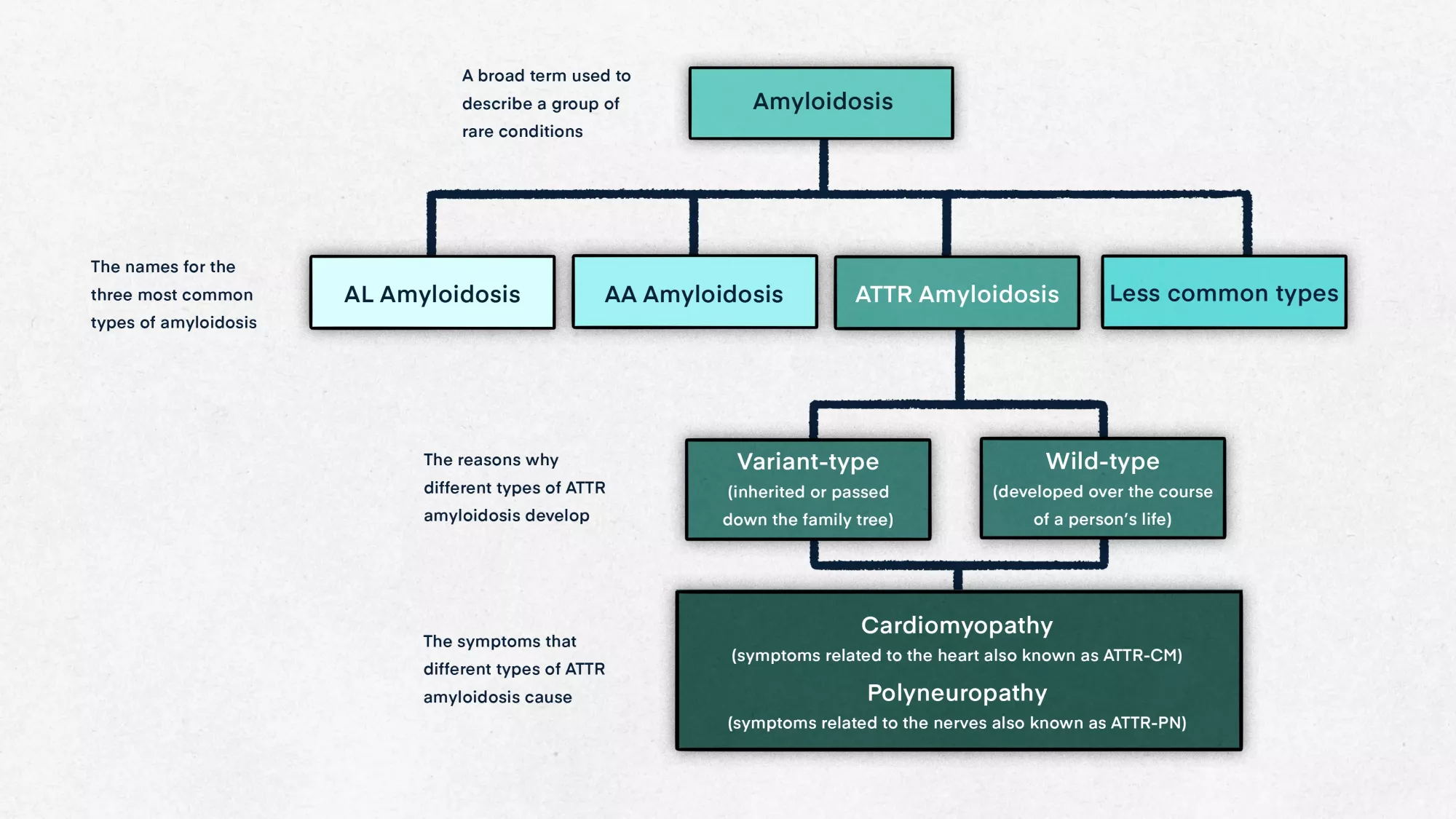
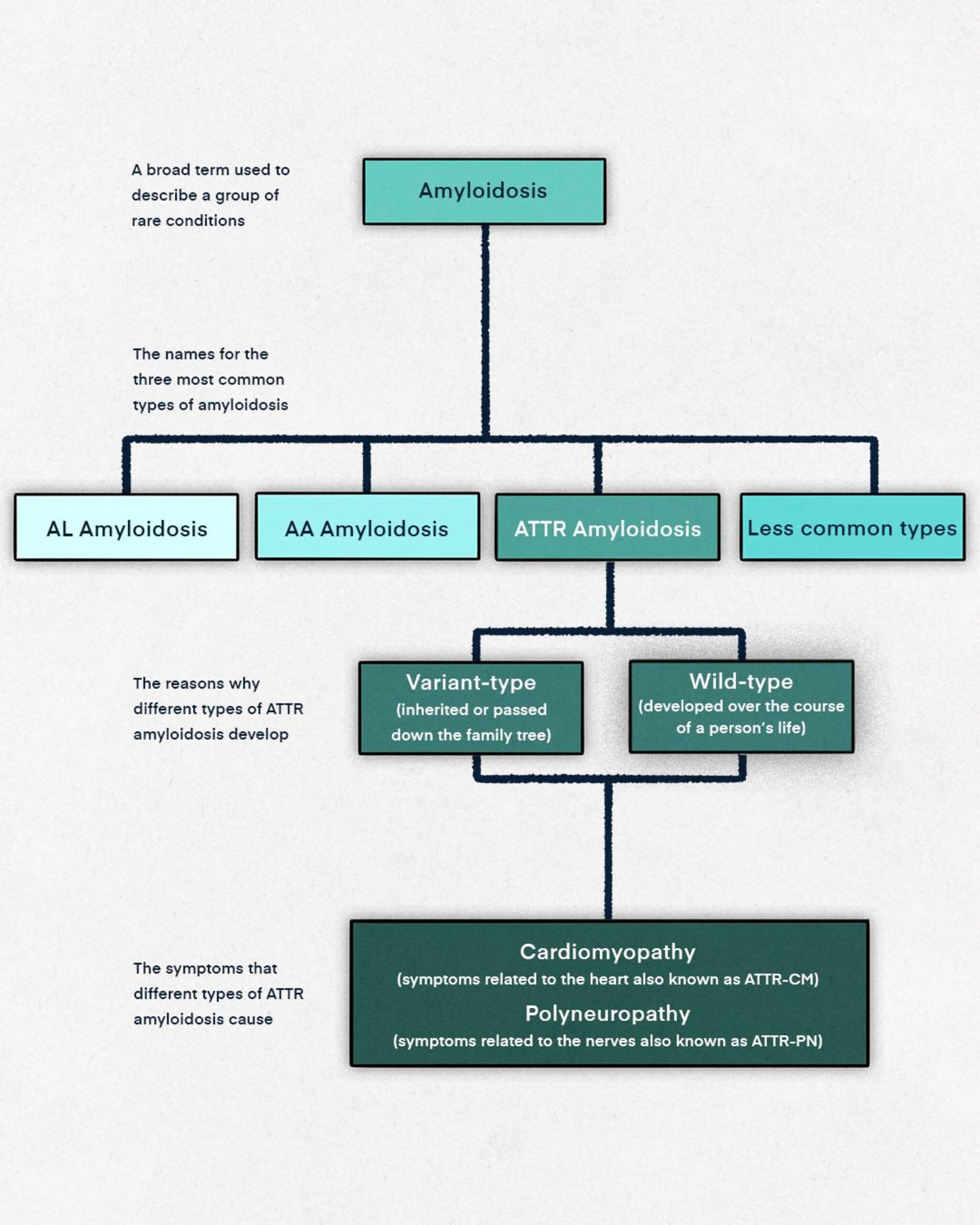
Depending on where the amyloid deposits build up, they can lead to different symptoms and conditions, including ATTR-CM and ATTR-PN.
What is the difference between ATTR-CM and ATTR-PN?
Depending on where the amyloid deposits build up, it can lead to different symptoms and conditions, including ATTR-CM (which affects the heart) and ATTR-PN (which affects the nerves). It is important to know which condition you have, so you can get the right treatment.
It is possible for people with ATTR to have symptoms of polyneuropathy and cardiomyopathy, which means they may experience symptoms related to the heart and nerves. This is known as mixed phenotype ATTR.
ATTR-CM symptoms tracker
Professor Thibaud Damy is a Professor of Cardiology at Hopital Henri Mondor, Paris, France.
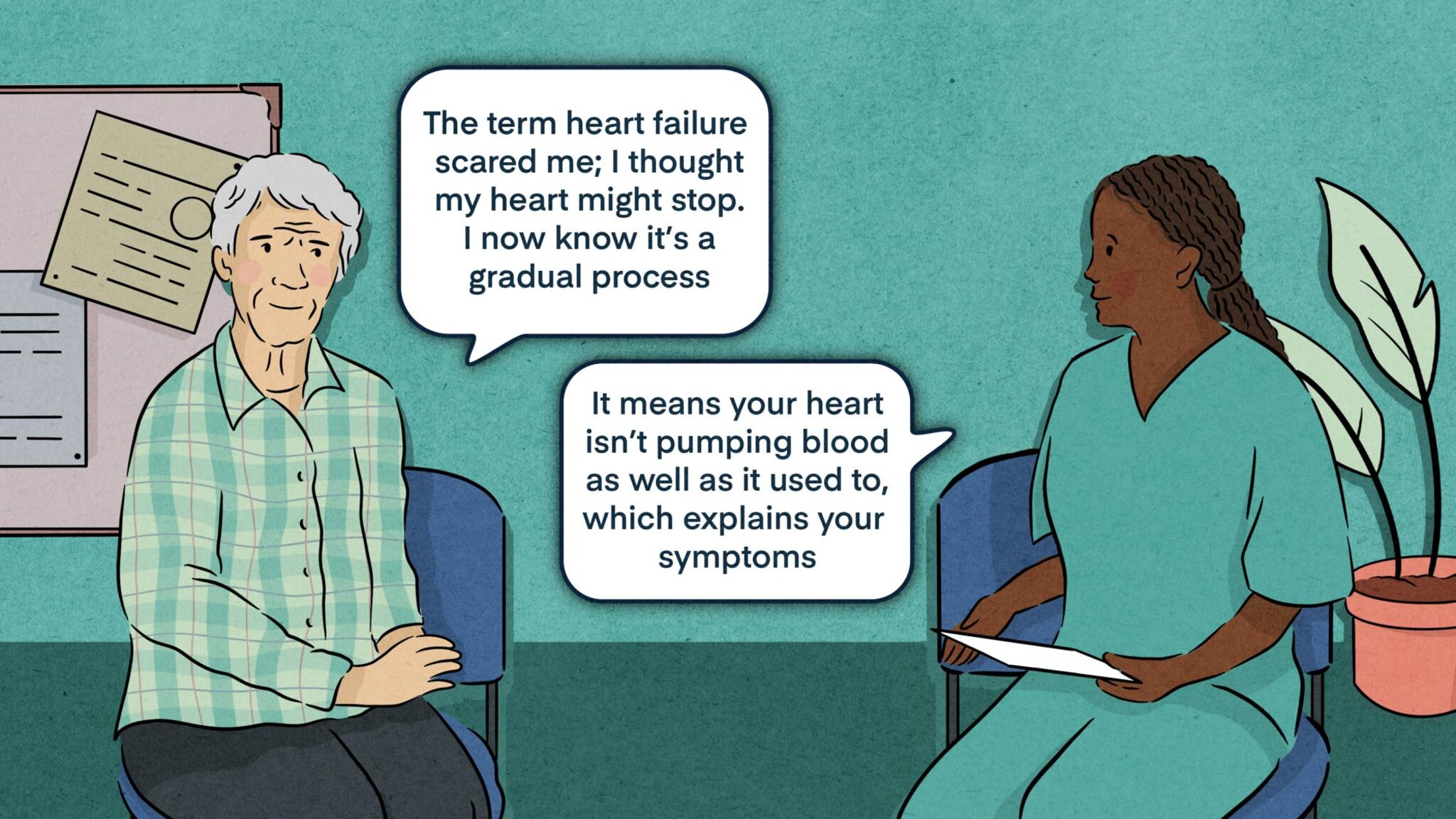
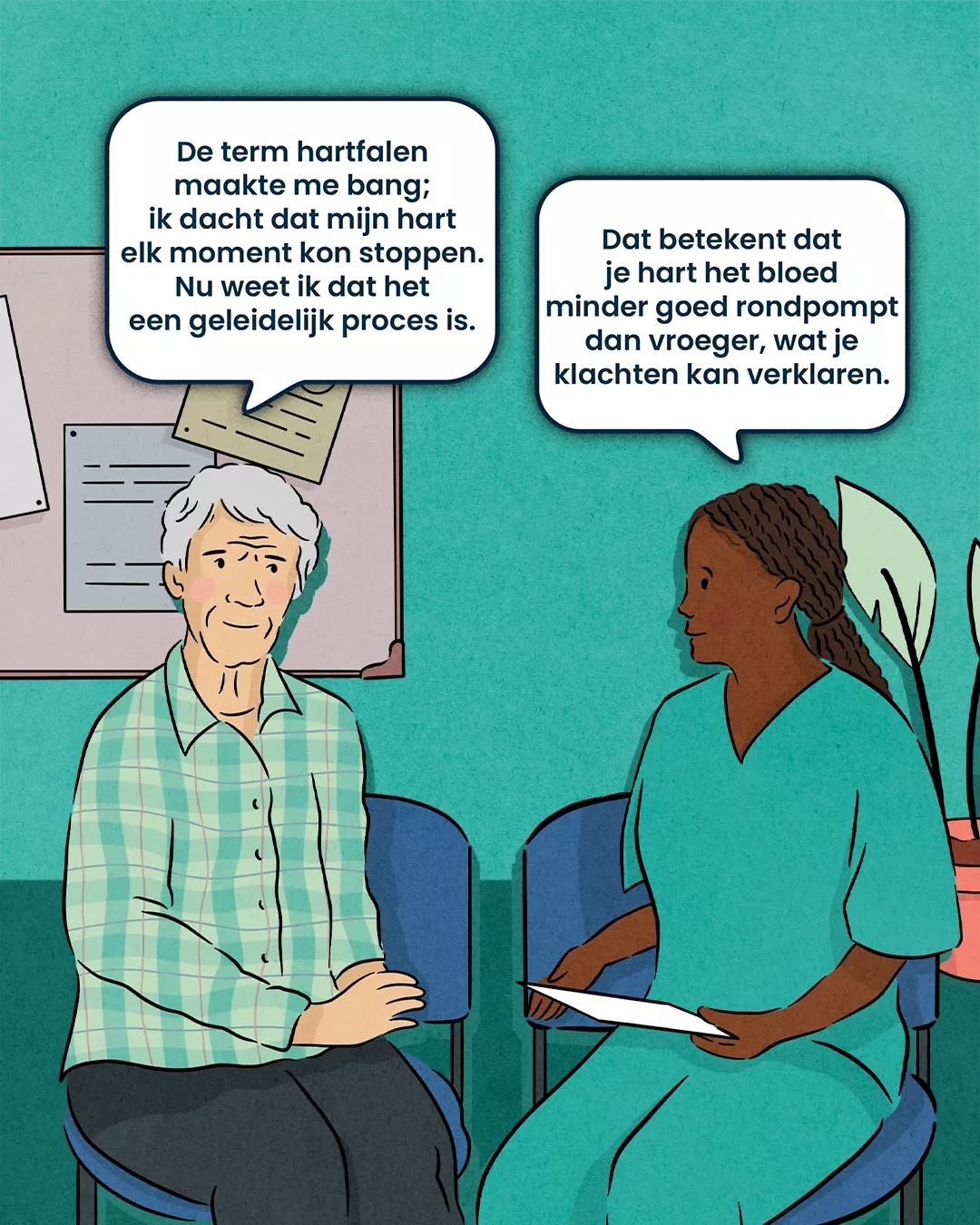
Heart failure does not mean your heart will stop. It means that your heart is not pumping blood as well as it used to.